
Is It Really a Leadership Hire?
1 October 2026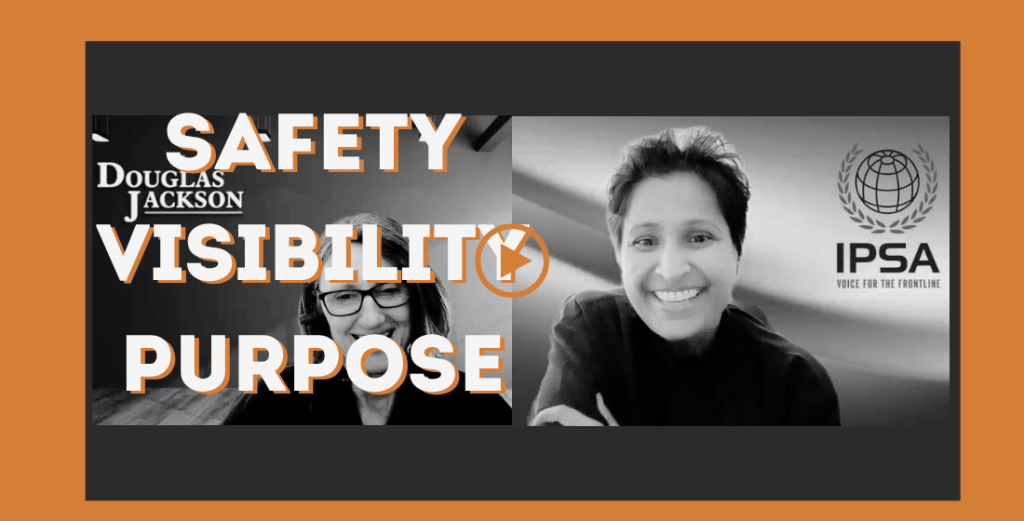
The Impact Room Leadership Podcast – Satia Rai
Satia Rai has spent around 30 years in the security sector, starting on the frontline and progressing to become CEO of IPSA, the International Professional Security Association, and Founder and CEO of Women in Protective Services.
In this episode of The Impact Room, Satia joins Michelle Ansell to discuss the scale and importance of the UK security profession, why standards and professionalisation matter, the case for greater female representation and how the sector can play a much bigger role in public safety.
Satia also shares her own journey as a Sikh, gay woman in an industry where she rarely saw people like herself represented, and explains why purpose, visibility and authenticity have become central to her leadership.
The security workforce is bigger than many people realise
One of the most striking parts of the conversation is simply the scale of the sector.
Satia describes a UK private security workforce of just under half a million licensed frontline professionals, larger than the armed forces and policing workforce combined.
They operate across hospitals, retail, shopping centres, corporate buildings, transport, events and high-profile public spaces.
But Satia’s point is that the role goes well beyond traditional perceptions of “security”.
These professionals are often required to use communication, de-escalation, safeguarding and rapid risk-assessment skills while supporting vulnerable members of the public.
As Satia puts it:
“They are part of the fabric of society in terms of that safety.”
Raising standards and professionalising security
For Satia, professionalisation means investing properly in the people doing the job.
That includes stronger training across customer service, safeguarding, equality and inclusion and conflict management, as well as addressing pay and working conditions.
She also talks about the importance of stronger regulation and business licensing as a way of improving standards and reducing malpractice across the industry.
The wider message is simple: If security professionals are being asked to deal with increasingly complex social, public safety and safeguarding issues, the sector needs to invest in them accordingly.
Why representation matters
Women still make up only a relatively small proportion of the frontline security workforce, although representation is improving. Satia talks about the importance of visibility: showing women already succeeding across frontline, management and senior leadership roles so others can see the sector as a realistic career option.
Her view is that visibility is fundamental to both attraction and retention.
“We’ve got to get these stories out.”
That thinking sits behind Women in Protective Services.
WIPS is intended to connect women across security, policing, fire, prisons and other protective services, make female career stories more visible and support future generations through leadership and mentoring. Satia Rai and Michelle Ansell
Turning lived experience into public protection
One of the most powerful areas of the conversation is Satia’s work around violence against women and girls.
She argues that the security workforce is uniquely positioned to recognise vulnerability because security professionals are already present in public spaces, venues, shops, transport environments and communities.
WIPS aims not only to improve representation, but also to help women who have experienced violence or abuse regain financial security and potentially build careers within protective services.
Satia describes the ambition as turning survivors into protectors using lived experience, empathy and awareness to help recognise and support other vulnerable women.
She also talks about security professionals being trained to recognise domestic abuse and vulnerability and gives an example of a street ambassador whose training helped them support a homeless woman experiencing domestic abuse. Satia Rai and Michelle Ansell
Leadership, authenticity and purpose
Satia’s own leadership journey is another major theme.
She talks openly about how long it took her to feel able to be fully herself in the workplace and how finding that authenticity ultimately helped her find her purpose.
“It was only when I was my true self in the workplace that my work has gone…”
Her wider point is about creating cultures where people can genuinely be themselves, grow and progress.
She describes her purpose as being centred around people: investing in them, nurturing them and bringing others on the journey.
People perform better when they feel psychologically safe, represented and able to bring their whole selves to work.
Confidence is built through action
Satia also speaks very candidly about confidence. Her confidence did not arrive before she stepped onto bigger stages. It developed because she faced the fear, spoke honestly and saw how people responded.
“It wasn’t polished. It was just me.”
And then:
“They inspired me. They gave me that confidence.”
That is probably one of the best leadership moments in the episode.
Confidence was not something she waited to acquire. It grew through purpose, connection and repeated action.
Changing the perception of security professionals
Asked what she would most like to change about how the public, employers and government view the profession, Satia’s answer comes back to perception.
“See our workforce. See our people.”
She argues that security professionals should be recognised as skilled professionals who protect people, support communities and help keep society moving.
Her call is for greater respect, investment and recognition of the profession. Satia Rai and Michelle Ansell
What leaders should take away
- Security is a significant and under-recognised workforce with major responsibility for public safety.
- Professionalisation requires investment in training, standards, pay and development.
- Representation improves attraction, retention and leadership progression.
- Visibility matters: people need to see leaders who look and sound like them.
- Purpose and authenticity can become powerful drivers of leadership.
- Public protection increasingly depends on collaboration between security, employers, government and communities.
Key quote
“It’s important that we reflect the communities that we protect.”
“It wasn’t polished. It was just me.”
About Satia Rai
Satia Rai is CEO of IPSA, the International Professional Security Association, and Founder and CEO of Women in Protective Services.
She began her career on the security frontline and has since become an influential voice on professional standards, inclusion, representation and public safety across the sector.
Building stronger, more representative leadership teams?
Douglas Jackson works with organisations appointing senior leaders across Operations, Customer, Transformation and wider Executive leadership.
We help clients identify leaders who combine capability, credibility and values — while broadening access to diverse and underrepresented talent.