
Chief Financial Officer Recruitment for a Utilities Business
29 June 2025
Customer Movers and Shakers Q2 2025
18 August 2025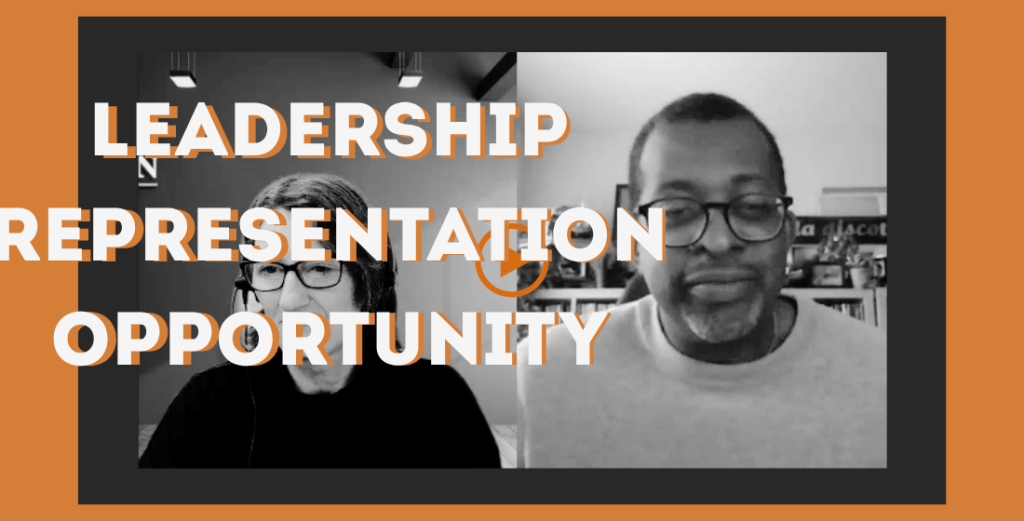
Oke Eleazu joined Michelle Ansell in The Impact Room following almost eight years with ManyPets, where he was to become UK CEO of the fast-growing insurance businesses and a double unicorn fintech business.
Their conversation ranges from scaling a customer led organisation and building a culture around service to an issue Oke has become particularly passionate about: increasing CEO, C-suite and leadership representation of people of colour at senior leadership level.
Oke discusses why representation matters, why organisations need more than diverse recruitment to create sustainable change, and why culture, role models and leadership intent ultimately determine whether people are able to progress and thrive.
He also shares some very practical advice from his own career around learning, resilience, networks and what he calls increasing your own “surface area of luck”.
Prefer to listen instead:
Building a business around customers
At ManyPets, customer experience was not treated as a function sitting somewhere inside the organisation.
It influenced how the company was built.
Oke describes an ambition to create “better insurance for everyone”, not because everybody would necessarily become a ManyPets customer, but because doing things differently could influence expectations and ultimately raise standards across the wider market.
That thinking extended to employees.
He describes deliberately inverting the traditional organisational hierarchy, with leadership there to support the people closest to customers. He personally interviewed many of the early customer operations hires because he regarded those roles as fundamental to the experience the business wanted to create.
Do organisations really want customer excellence?
One of the more challenging parts of the conversation is Oke’s view that many businesses say they want exceptional customer experience without genuinely choosing everything that comes with it.
True customer excellence may require additional investment, better people, difficult organisational decisions and sometimes making things harder internally in order to make them easier for customers.
His point is not that every organisation needs to deliver the most premium customer experience in its market.
It is that leaders need to be clear about the proposition they actually intend to deliver rather than creating customer leadership roles without giving those leaders the authority or organisational support required to change anything.
Why representation at the top matters
The conversation then moves into an area that has become central to Oke’s work: representation of people of colour in senior leadership. Oke’s argument is straightforward, people need to be able to see that progression is possible.
Role models help challenge assumptions about the level somebody can realistically reach and show younger generations that becoming a CEO, Board member or senior corporate leader is genuinely available to them.
But Oke is equally clear that representation cannot be solved simply by recruiting more diverse candidates.
Organisations have to genuinely want change, understand their data, become intentional about progress and create cultures in which people can remain and succeed after they have been appointed.
That distinction is particularly useful:
Recruiting diversity is not the same as creating an environment in which diverse talent can thrive.
Sustainable diversity requires culture
Oke makes the point that organisations can potentially change representation relatively quickly through hiring.
Creating sustainable representation is much harder.
If the culture has not changed, individuals can enter an organisation only to discover that the environment was never genuinely ready for them.
That puts responsibility back onto senior leadership.
Diversity cannot simply sit with recruitment or HR. Leadership needs to be intentional about culture, progression, development and the pipeline of talent beneath the Executive team.
Oke’s advice for emerging leaders
Towards the end of the conversation, Oke shares three ideas that have shaped his own thinking about career development.
Increase your surface area of luck.
Luck exists, but networks, relationships, reputation, hard work and talent can make opportunities more likely to find you.
Be a sponge.
Proactively learn. Read, listen, ask questions and become comfortable saying, “I don’t know that yet.”
Keep showing up.
Careers contain disappointments and setbacks. Progress often comes from continuing to learn and put yourself forward rather than treating an individual setback as the final judgement on your capability.
What leaders should take away
- Representation at senior level influences what future generations believe is possible.
- Diverse hiring without an inclusive culture is unlikely to create sustainable change.
- CEOs and Boards need to be intentional about representation rather than delegating it entirely to HR or Talent Acquisition.
- Customer excellence requires organisational choices, not simply a CX strategy or senior job title.
- Culture determines whether ambitious leadership intentions survive contact with the organisation.
- Networks, learning and resilience remain important components of individual career progression.
About Oke Eleazu
At the time of this conversation, Oke Eleazu had recently completed almost eight years with ManyPets, including serving as UK CEO of the high-growth insurance and fintech business.
He is also an author, customer experience leader and advocate for greater representation of people of colour in senior leadership.
Since the recording, Oke has continued his leadership career at Board level as a Non-Executive Director and Chair.
Oke on Douglas Jackson
Towards the end Michelle asks Oke about his experience working with Douglas Jackson over a number of years.
His response includes:
“Douglas Jackson are a brilliant specialist.”
He talks about your market knowledge, the calibre of leaders introduced to his businesses and the importance of the relationship and trust built over a number of appointments.
“I kind of trust Douglas Jackson to deliver whenever I need them.”